Understanding the Basics of Flooring Options for Busy Homes
Choosing the right flooring can be a daunting task for homeowners, especially in bustling environments where durability and aesthetics must go hand in hand. The primary contenders in this space are laminate and engineered wood flooring, both of which offer unique benefits tailored to various lifestyles. When exploring options, flooring options for busy homes can provide comprehensive insights, helping make this decision easier.
What Are Laminate and Engineered Wood Flooring?
Laminate flooring is a synthetic product made from compressed fibreboard, featuring a printed wood-effect layer topped with a protective coating. This construction is designed for durability and resilience, making it a popular choice for high-traffic areas. On the other hand, engineered wood consists of a genuine hardwood veneer bonded to several layers of plywood or high-density fiberboard. This design not only imparts the authentic look of solid wood but also enhances stability and moisture resistance.
Benefits of Choosing the Right Flooring Material
Choosing the right flooring material for your home can significantly affect maintenance, comfort, and overall aesthetic appeal. Laminate flooring tends to be more affordable and low-maintenance, making it ideal for families with young children or pets. In contrast, engineered wood, with its natural grain and texture, appeals to those seeking a high-end finish.
Comparative Analysis: Laminate vs. Engineered Wood Flooring
When comparing laminate and engineered wood flooring, several key factors come into play:
- Durability: Laminate is often more resistant to scratches and dents, making it suitable for busy homes, while engineered wood can be more prone to damage if not properly maintained.
- Moisture Resistance: While laminate offers superior water resistance, engineered wood can also be used in moisture-prone areas if it’s well-sealed.
- Aesthetics: Engineered wood provides a more authentic look, mimicking solid hardwood’s beauty, while laminate can sometimes look less genuine.
- Installation: Laminate typically features an easy click-lock installation system, making it a DIY-friendly option. Engineered wood, although installable as a floating floor, may require more skill for glue-down applications.
Key Considerations for Busy Households
Durability and Maintenance of Flooring Options
For busy households, the durability of flooring materials is paramount. Laminate flooring boasts impressive scratch resistance, making it an excellent choice for high-traffic zones such as hallways and living rooms. Engineered wood, while beautiful, necessitates regular maintenance to preserve its finish and protect against moisture damage.
How to Select Flooring That Suits Family Lifestyles
When evaluating flooring options, consider the lifestyle of your family. For active families with pets, opting for a highly durable laminate could offer peace of mind, while professionals who appreciate aesthetics might lean towards engineered wood to elevate their home’s interior design. Ensuring that the choice aligns with your family’s unique needs can enhance daily living experiences.
Trends in Flooring for High-Traffic Areas in 2026
As we look toward 2026, flooring trends indicate a shift toward sustainable and resilient materials. Both laminate and engineered wood flooring are now being produced with eco-friendly certifications, appealing to environmentally conscious homeowners. Additionally, innovations in finishes and textures are emerging, providing options that replicate natural materials more closely, while still offering practicality for high-traffic areas.
Installation Insights for Homeowners
DIY vs. Professional Installation: What to Choose?
Deciding between DIY installation and hiring professionals often hinges on your skill level and the complexity of the project. Laminate flooring is designed for easy installation, typically featuring interlocking planks that require minimal tools. Engineered wood may require a skilled installer, particularly if you opt for a glue-down installation to ensure long-term performance and stability.
Essential Tools and Tips for Installing Laminate Flooring
If you choose to tackle laminate installation yourself, ensure you have the necessary tools such as a saw, tapping block, pull bar, and spacers. Additionally, it’s crucial to lay down an underlayment to reduce sound and moisture issues. Follow the manufacturer’s instructions for optimal results and consider watching instructional videos for guidance.
Expert Advice on Installing Engineered Wood Flooring
When installing engineered wood flooring, preparation is key. Make sure your subfloor is clean, dry, and level to avoid complications down the line. Use a moisture barrier if installing over concrete, and follow the manufacturer’s guidelines for acclimating the wood before installation to prevent warping or buckling.
Flooring for Specific Areas: Kitchen, Living Room, and More
Best Practices for Kitchen Flooring Selection
Choosing flooring for your kitchen demands careful consideration due to the space’s unique challenges. Laminate is typically better suited for kitchens due to its moisture resistance and ease of cleaning. However, well-maintained engineered wood, particularly with high-quality sealants, can also make a stylish statement in this space.
Creating a Cozy Living Room with Durable Flooring Options
In the living room, aesthetics and comfort are vital. Engineered wood can create a warm and inviting atmosphere, often featuring rich grains and textures. For a more budget-friendly approach, consider laminate options that mimic the look of wood but with added resilience against dents and scratches.
Unique Considerations for Entryways and Hallways
Entryways and hallways experience heavy foot traffic, so selecting a flooring option that can withstand wear and tear is crucial. Laminate flooring’s durability makes it an excellent choice for these areas. However, engineered wood can also be suitable if it is regularly maintained and placed in a space where moisture is controlled.
Future Trends in Flooring Options for Busy Homes
Innovative Materials and Technologies on the Horizon
Advancements in flooring technology are set to redefine durability and sustainability. New types of laminate flooring are being produced with enhanced water-resistant properties and antimicrobial surfaces, while engineered wood is being adapted to include sustainable materials, such as reclaimed wood and non-toxic adhesives.
Eco-Friendly Flooring Choices for Sustainable Living
With the growing emphasis on conservation, eco-friendly flooring options are gaining prominence. Homeowners can seek out laminate made from recycled materials or engineered wood sourced from sustainably managed forests. Such choices not only reduce environmental impact but also contribute to healthier indoor air quality.
How Flooring Designs Will Evolve by 2026
As design trends shift, expect to see flooring that emphasizes texture and depth, with greater use of natural materials. The demand for unique patterns and finishes in both laminate and engineered wood is likely to rise, allowing homeowners to personalize their spaces more than ever.
What Are the Benefits of Laminate or Engineered Wood?
Both flooring types offer distinct advantages. Laminate is favored for its affordability and low maintenance, making it ideal for families and rental properties. Engineered wood, however, stands out for its durability and aesthetic appeal, providing a long-term flooring solution that enhances the value of your home.
How to Maintain Flooring in High-Traffic Areas?
Maintaining flooring in high-traffic areas requires regular cleaning and occasional refinishing. For laminate, routine sweeping and damp mopping will suffice, whereas engineered wood may need periodic refinishing to restore its original beauty. Consider placing area rugs in high-traffic zones to help minimize wear and tear.
Which Flooring Is Best for Pets and Children?
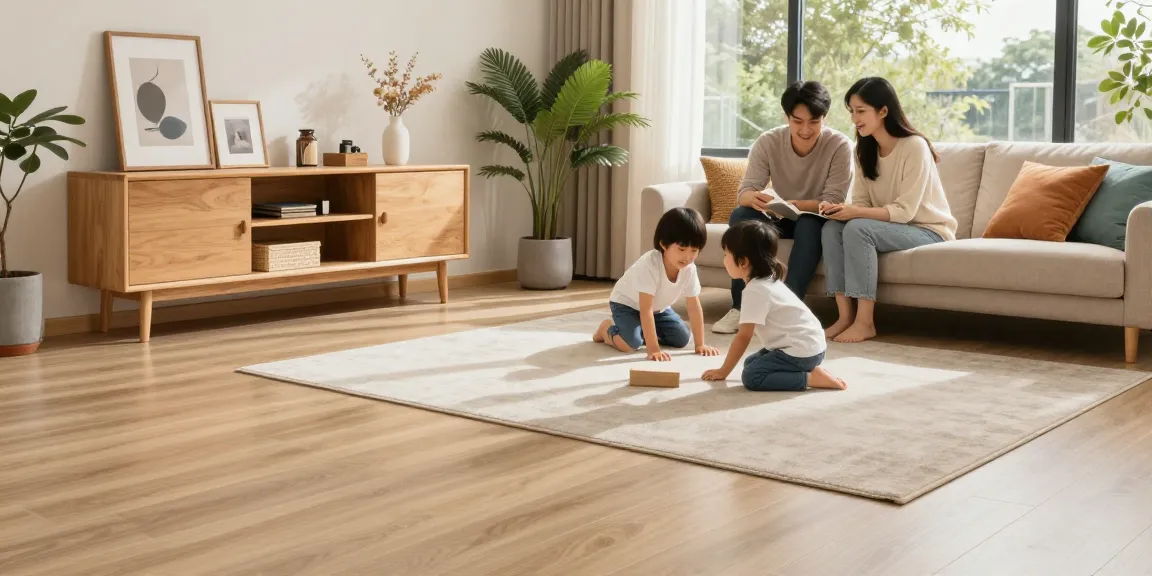
When it comes to pet and child-friendly flooring, laminate often takes the crown due to its scratch resistance and ease of cleaning. However, engineered wood can also be a viable option with proper sealing and maintenance to keep it looking its best despite the hustle and bustle of family life.
How to Choose the Right Color and Style?
Choosing the right color and style for your flooring can enhance the overall aesthetic of your home. Light colors can make a space feel larger and airier, while darker tones add warmth and elegance. Consider the existing decor and chosen style when selecting hues and patterns to ensure a cohesive look.
How to Measure Your Space for New Flooring?
Accurate measurements are crucial when installing new flooring. Measure the length and width of each room, and multiply these figures to calculate the total square footage needed. Always account for waste and additional materials, especially if you are using intricate patterns.
Are There Special Treatments for Kitchen Flooring?
Kitchens require flooring that can handle spills and moisture. Look for laminate and engineered wood options that come with a water-resistant finish or can be treated with sealants to increase their longevity in such environments. Regular cleaning and immediate attention to spills can also help maintain the flooring’s integrity.