
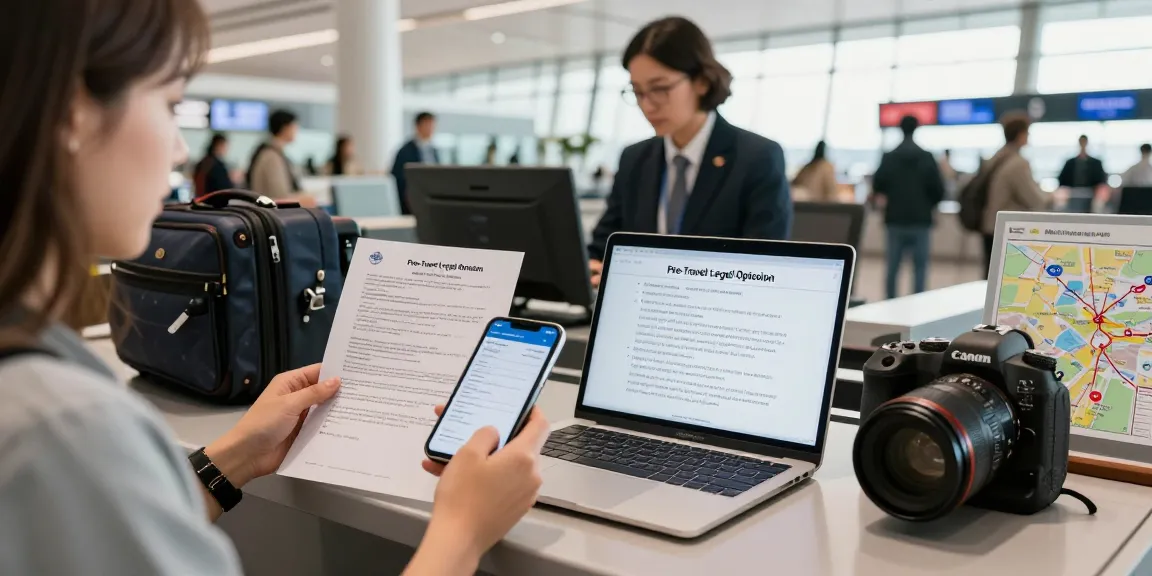
Understanding Pre-Travel Legal Checks
As international travel becomes more complex, understanding the nuances of legal checks before you fly has never been more crucial. A pre-travel legal opinion can provide peace of mind by assessing the specific risks associated with your itinerary, allowing you to travel confidently. Whether you're a frequent business traveler or planning a one-off journey, knowing the state of your legal standing in the countries you'll be visiting is vital. When exploring options, https://valken.legal/services/pre-travel-check provides comprehensive insights into what's necessary for a smooth travel experience.
What is a Pre-Travel Legal Opinion?
A pre-travel legal opinion is a structured analysis of your legal status and potential risks associated with your planned travel route. Conducted by qualified legal professionals, this opinion assesses multiple databases to determine whether there are any alerts, notices, or flags that could impact your ability to travel. These assessments go beyond a simple Google search, enabling travelers to uncover hidden risks that could lead to delays or complications at borders.
Importance of Route Assessment Before Travel
Not all travel routes are created equal, and the databases that monitor travelers vary significantly from one region to another. For instance, entering the Schengen Area involves scrutiny by a host of national police systems and alerts that can differ based on your nationality and the countries you plan to visit. Effective route assessment is essential not only for identifying which databases an individual may appear in but also for understanding the nature and implications of those potential alerts.
Common Misconceptions About Legal Checks
Many travelers assume that a basic online search or a €20 "Interpol check" will suffice to evaluate their travel risk. However, these simplistic solutions fail to access the comprehensive and hidden databases that a thorough legal inquiry covers. A robust pre-travel legal check includes insights into non-public Interpol notices, Schengen Information System alerts, and commercial compliance databases that could directly impact your travel plans.
Key Databases and Systems Reviewed
Interpol Notices: Public vs. Non-Public
Interpol issues two primary types of notices – public and non-public. While public notices, known as Red Notices, are accessible to the public, many alerts are not disclosed to the public and can be critical in determining your travel risk. Understanding the differences is crucial because non-public notices can be used to stop travelers without prior warning, leading to unnecessary complications at borders.
Schengen Information System: What You Need to Know
The Schengen Information System (SIS) is a key database used by border authorities in the Schengen Area. It includes alerts for individuals who may face deportation or have been flagged because of legal issues, making it one of the most significant systems to check before traveling within Europe.
National Watchlists and Commercial Compliance Engines
In addition to Interpol and SIS, various national watchlists and commercial compliance engines play a role in traveler verification. Compliance databases from organizations like World-Check and LexisNexis are essential for identifying potential financial risks or alerts linked to previous legal issues, thereby providing a more holistic view of a traveler's legal standing.
Who Should Consider a Pre-Travel Check?
Identifying Potential Risks Before Your Trip
Identifying who requires a pre-travel check often depends on personal history and current circumstances. Individuals with previous legal troubles, unresolved issues from past travels, or business ties to nations known for stringent border controls should strongly consider this service. The pre-travel check serves as a proactive measure to ensure smooth passage across borders.
Real-Life Scenarios Mandating a Legal Check
- If you have an active legal case or outstanding warrant in any jurisdiction.
- A history of visa refusals or extended questioning during prior travels.
- Connections to individuals involved in legal issues, such as business partners or relatives.
- Traveling to sensitive jurisdictions known for misusing legal databases.
- Any indication that your name might appear in an investigation.
Benefits of Early Legal Consultation
Consulting with a legal professional early in your travel planning can illuminate potential risks and solutions before your trip. Having this information in advance allows you to make informed decisions about your itinerary, travel companions, and any necessary legal actions.
Steps to Conduct a Thorough Pre-Travel Check
Collecting Necessary Information and Documents
The first step in conducting a thorough pre-travel check is gathering all pertinent information. This includes your personal identification details, travel itinerary, and any legal documents related to previous matters. The clearer and more detailed the information you provide, the more accurate and helpful the legal review will be.
Engaging Legal Professionals for Comprehensive Reviews
Engaging a legal professional who specializes in travel-related legal checks is crucial. They possess access to vital databases and have the expertise needed to interpret the results accurately. A qualified lawyer can help navigate the complexities of various jurisdictions, enhancing your understanding of any legal issues that may arise.
Interpreting Legal Opinions and Recommendations
Once the legal review is complete, a written memorandum will summarize the findings, outline the risks associated with your travel route, and provide actionable recommendations. It’s essential to engage in a debrief call with your lawyer to ensure you fully understand the implications and can ask any questions regarding the results.
Future Trends in Travel Legalities for 2026
Emerging Technologies in Pre-Travel Checks
As we move into 2026, the integration of technology into legal checks is set to revolutionize the process. Emerging technologies, such as artificial intelligence and blockchain, will likely streamline data verification, making it easier to identify potential risks and issue alerts in real time.
Shifting Legal Landscapes Affecting Travelers
As countries adapt to global changes, the legal landscape surrounding travel will continually shift. Changes in international relations and local laws will impact how databases are managed and the types of risks travelers may face. Staying updated on these changes will be essential for travelers seeking to minimize their legal risks while abroad.
Preparing for Increased Regulatory Scrutiny
As global security concerns grow, travelers can expect increased scrutiny at borders, particularly in regions with complex legal frameworks. Understanding how to navigate these systems will be key to ensuring a smooth travel experience.
What Should You Know About Travel Alerts?
Being aware of the latest travel alerts and advisories issued by various governments can help you make informed decisions about your travel plans. Monitoring these alerts regularly is essential, especially if you're traveling to or through regions experiencing geopolitical tensions or legal uncertainties.
How to Stay Informed About Legal Changes?
Travelers should proactively seek resources that provide insights into changing legal landscapes. Subscribing to legal newsletters, following relevant international law firms, and staying engaged with travel forums can help keep you informed about potential legal issues that may affect your travel plans.